
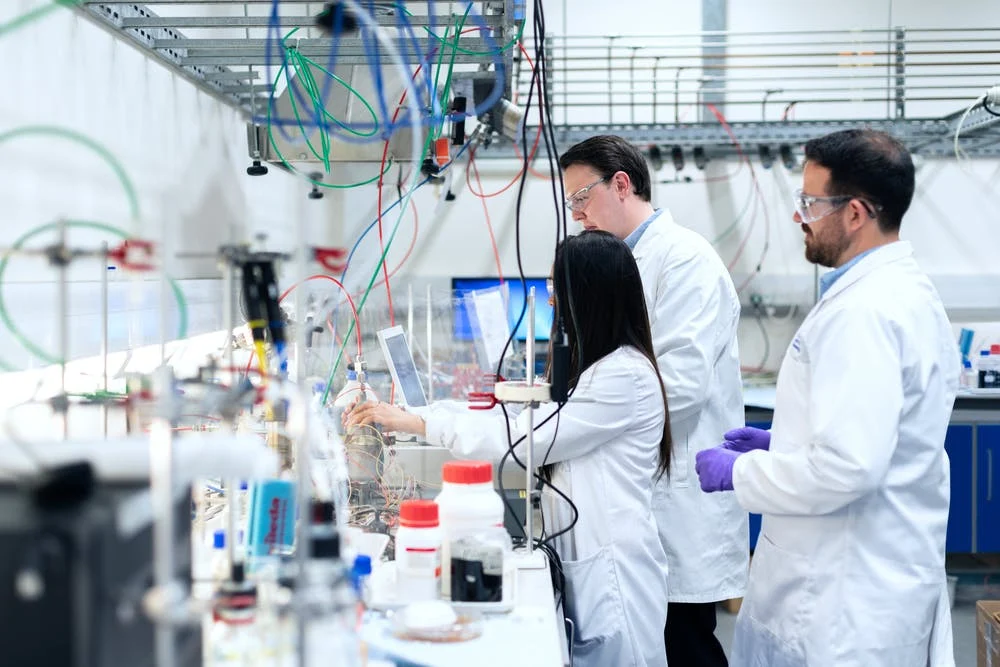
Psilocybin has actually been revealed to have a positive result in treating clinical depression, anxiety, addiction, anorexia nervosa, excessive weight, collection migraines, Alzheimer’s, PTSD as well as a selection of personality disorders.
In recent years, the therapeutic potential of psychedelic substances has garnered increasing attention, particularly in the realm of mental health. Among these, psilocybin, the active compound found in magic mushrooms, has shown promise in treating conditions such as anxiety and depression. An Israeli laboratory is at the forefront of this innovative research, exploring how psilocybin can be cultivated and utilized to alleviate anxiety in patients. By combining cutting-edge science with traditional therapeutic practices, this groundbreaking work aims to uncover new avenues for mental health treatment, offering hope to those who have struggled to find effective solutions.
Introduction to Magic Mushrooms and Their Therapeutic Potential
Magic mushrooms, known for their psychedelic properties, have caught the attention of not only adventurous weekend warriors but also serious researchers looking for alternative treatments for mental health issues. With a key ingredient—psilocybin—these fungi are more than just a party favor; they have shown promise in treating anxiety, depression, and other mood disorders. As we venture further into the wild, wonderful world of psychedelics, it seems that magic mushrooms might just be the next big thing in therapeutic innovation.
History of Psilocybin Use in Medicine
Long before they were trendy Instagram posts, psilocybin mushrooms have graced various cultures for centuries. Indigenous peoples in Mesoamerica have used them for spiritual ceremonies and healing practices for thousands of years. Fast forward to the mid-20th century, and researchers began to delve into their psychoactive properties, exploring their potential in psychotherapy. Although the explosion of recreational use in the 60s led to a crackdown on research, the last decade has seen a renaissance, and psilocybin is once again stepping into the spotlight as a viable treatment option.
Current Trends in Psychedelic Research
The last few years have been nothing short of a psychedelic revolution in research. Universities and private institutions are embracing the potential of substances like psilocybin, with numerous studies popping up. Researchers are testing its effects on various conditions, including PTSD, addiction, and yes, anxiety. As more positive results emerge, we’re witnessing a shift in public perception and an increasing push for legalization and therapeutic use. It’s a groovy time to be in mental health!
The Science Behind Psilocybin and Mental Health
Mechanism of Action in the Brain
So, how do these magical mushrooms work their wonders? Psilocybin is converted into psilocin in the body, which then binds to serotonin receptors in the brain. This action enhances communication between different brain regions and promotes neuroplasticity—the brain’s ability to reorganize itself. Essentially, psilocybin encourages the brain to think differently, creating new pathways that can lead to profound insights and emotional healing. It’s like a mental reset button, but without having to worry about losing your favorite playlist!
Impact on Anxiety and Depression
Clinical trials have shown that psilocybin can significantly reduce symptoms of anxiety and depression, often with lasting effects after just a few sessions. Participants frequently report feelings of connectedness, introspection, and a newfound perspective on their issues. This isn’t just wishful thinking; research indicates that these experiences may help break negative thought patterns, allowing individuals to approach their mental health with fresh eyes. Who knew a mushroom could do so much more than enhance a pizza?
The Israeli Laboratory’s Innovative Approach
Overview of the Laboratory’s Mission
Nestled in the heart of Israel, this pioneering laboratory is on a mission to unlock the therapeutic potential of psilocybin. With a focus on rigorous scientific research, their goal is to provide solid evidence for the safety and efficacy of magic mushrooms in treating anxiety and other mental health disorders. They’re not just cultivating fungi; they’re cultivating hope for millions struggling with mental health issues.
Key Researchers and Their Backgrounds
The brains behind the operation are a team of passionate scientists and mental health professionals, many of whom have backgrounds in psychology, psychiatry, and pharmacology. Their collective expertise ensures that this research not only adheres to high scientific standards but also considers the ethical implications of psychedelic treatment. With their combined experience, they are navigating the complex landscape of psychedelic research with determination and innovation—think of them as the Avengers of mental health!
Treatment Protocols: How Magic Mushrooms are Administered
Dosage and Administration Methods
In the lab, psilocybin isn’t just handed out like candy. Patients undergo thorough evaluations to determine their suitability for treatment, after which they receive carefully measured doses. These can be administered in various forms, from capsules to teas, depending on the study protocol. This precision ensures that participants get the right amount for maximum effectiveness while minimizing potential side effects. It’s science, not sorcery!
Setting and Support During Treatment
Creating a safe and supportive environment is crucial in psychedelic therapy. During sessions, participants are usually accompanied by trained therapists or facilitators who guide them through their experience. The setting is often designed to be calming, with soft lighting and soothing music to create a safe space for exploration. This support helps participants process their experience and integrate their insights, making it a holistic approach to healing that’s as warm and fuzzy as a cozy blanket.
Clinical Trials and Research Findings
Study Design and Participant Demographics
Recent studies on psilocybin, the active compound in “magic” mushrooms, have been carefully designed to assess its effectiveness in treating anxiety. Participants often include individuals diagnosed with various anxiety disorders, such as generalized anxiety disorder or social anxiety disorder. The trials typically feature a randomized, double-blind design, where some participants receive psilocybin while others get a placebo. This ensures the results are more robust than your Aunt Nancy’s famous fruitcake.
Results and Outcomes of Recent Trials
The results of these trials have been nothing short of promising. Participants treated with psilocybin often report significant reductions in anxiety levels, sometimes within hours of administration. Many found lasting effects, with some even experiencing a holistic sense of well-being that has them feeling like they’ve just returned from a week-long beach vacation. These findings suggest psilocybin might be a game-changer in mental health treatment, making researchers excited enough to maybe pencil in some extra lab time (or at least a few more coffee breaks).
Ethical Considerations and Regulatory Challenges
Legal Status of Psilocybin in Different Countries
The legal status of psilocybin varies dramatically around the globe. In some countries, it’s considered a Schedule I controlled substance, like an uninvited relative at Thanksgiving—hard to get rid of. However, places like Canada and certain U.S. states are starting to relax restrictions, recognizing the therapeutic potential of psilocybin. This shift has sparked much debate about the implications for mental health treatment and the need for clear regulations to ensure safety and effectiveness.
Ethics of Using Psychedelics in Therapy
Utilizing psychedelics in therapy raises several ethical questions that make even the most confident bioethicists scratch their heads. Concerns include informed consent, potential for misuse, and the need for trained professionals to administer treatments properly. While the idea of patients having mind-expanding experiences can sound appealing, it’s crucial to ensure these journeys are guided safely and compassionately—preferably without a surprise trip to the intergalactic space of one’s psyche.
Future Prospects for Psilocybin in Mental Health Treatment
Potential for Broader Acceptance in Medicine
As clinical evidence mounts, the wider acceptance of psilocybin in mainstream medicine seems increasingly plausible. This could mean hospitals trading in their sterile white coats for a more colorful, open-minded approach to mental health care. With mental health issues on the rise and traditional treatments often falling short, psilocybin therapy could become a valuable addition, presenting a mind-bending alternative to conventional pharmaceuticals.
Next Steps in Research and Development
Looking ahead, researchers are emphasizing the need for larger-scale studies to solidify psilocybin’s efficacy and safety. This means more trials, more data, and hopefully, fewer awkward conversations with potential investors about why you can’t just use the ‘magic’ mushrooms you found in the woods. With continued research, the ultimate goal is to integrate psilocybin therapy into clinical practices, making it as common as a latte on a Monday morning.
Conclusion: The Promise of Psychedelic Therapy in Addressing Anxiety
Summary of Key Findings
In summary, emerging research surrounding psilocybin has illuminated its potential as a transformative treatment for anxiety. Clinical trials have shown encouraging reductions in anxiety symptoms and an overall improvement in quality of life for participants. With evolving legal frameworks and mounting evidence, we may be on the brink of a therapeutic revolution that could change the way we address mental health.
Call to Action for Continued Research and Acceptance
The time has come for both researchers and policymakers to rally around the promise of psychedelic therapy. Continued research is crucial, as is fostering an environment of acceptance in the medical community. So, let’s keep the conversation going—because if mushrooms can help us tackle anxiety, then maybe they’re worth a second look (and an additional research grant)!As research into the therapeutic applications of psilocybin continues to expand, the potential for magic mushrooms to revolutionize mental health treatment becomes increasingly clear. The efforts of Israeli scientists highlight the importance of innovative approaches in addressing anxiety and other mental health challenges. With ongoing studies and growing acceptance of psychedelic therapy, there is hope for a future where these substances can be safely and effectively integrated into treatment options, providing relief to many who desperately need it.
FAQs
What is psilocybin, and how does it work in the brain?
Psilocybin is a naturally occurring compound found in certain species of mushrooms, known as magic mushrooms. Once ingested, psilocybin is converted to psilocin, which interacts with serotonin receptors in the brain, particularly the 5-HT2A receptor. This interaction can lead to altered perceptions, enhanced emotional experiences, and a sense of connectedness, which may contribute to its therapeutic effects on anxiety and depression.
Are there any side effects associated with psilocybin treatment?
While psilocybin is generally considered safe in controlled settings, some individuals may experience side effects such as nausea, anxiety, or paranoia during their experience. It is crucial that psilocybin treatments be conducted under professional supervision to minimize risks and ensure the safety of participants.
How do the clinical trials for psilocybin treatment work?
Clinical trials typically involve a structured process where participants are administered psilocybin in a controlled setting, often alongside therapeutic support. Researchers monitor the participants for changes in anxiety levels, mood, and overall mental health. The trials aim to assess the efficacy and safety of psilocybin as a treatment option compared to traditional therapies or placebos.
What are the legal implications of using psilocybin for treatment?
The legal status of psilocybin varies by country and region. In many places, it remains classified as a Schedule I substance, making it illegal outside of approved research settings. However, there is a growing movement advocating for the decriminalization and medical use of psilocybin, with some regions beginning to implement changes to legislation to allow for therapeutic applications.
My package arrived safely, quickly, and exactly as expected. The delivery service was excellent, with careful handling and clear communication. Everything went smoothly, and I was very impressed with the professionalism.